
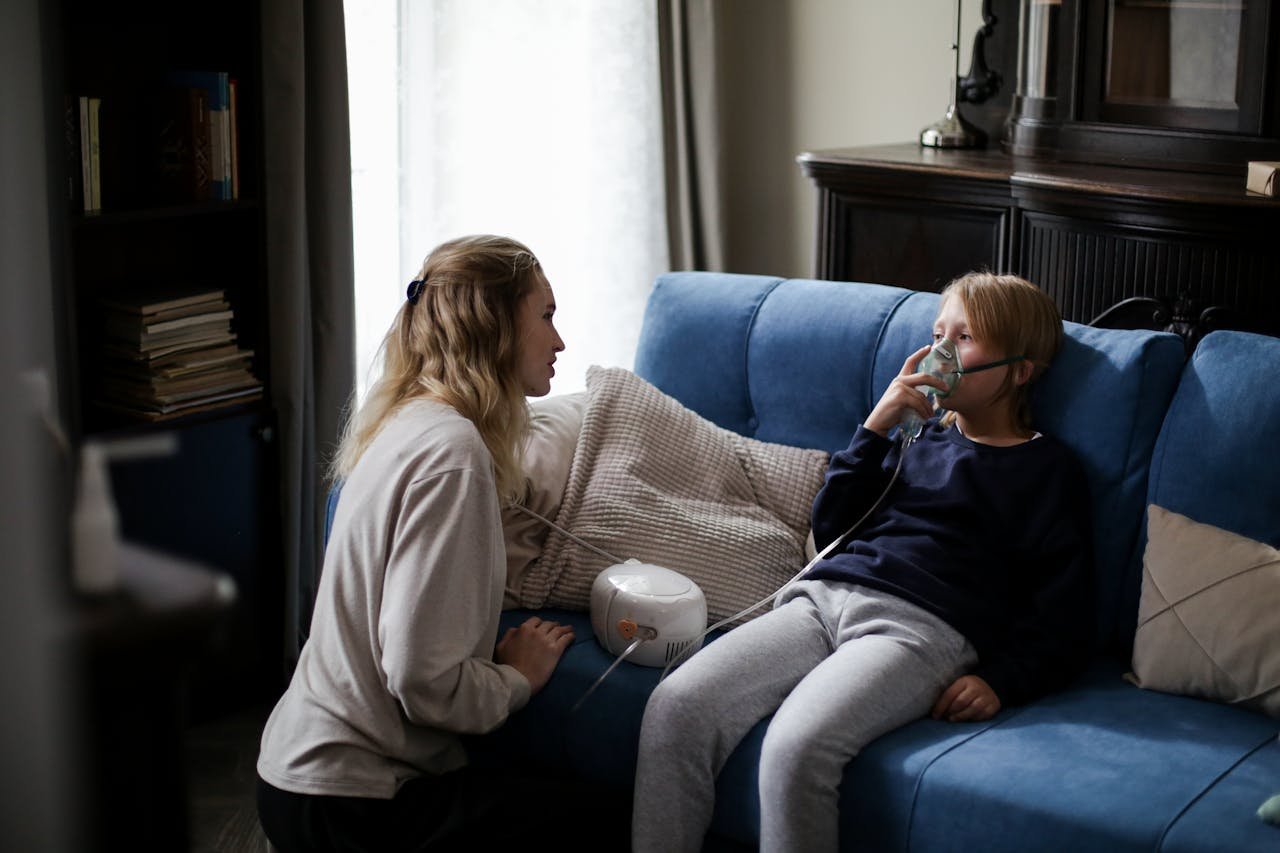
Asthma is a common condition in children that can start very early, often before they turn five. It causes symptoms like a persistent cough, wheezing, and difficulty breathing. Recognising these early signs is important to help manage the condition and keep children comfortable and active.
Managing asthma well means knowing the triggers that can cause attacks, such as allergies or colds, and working with healthcare providers to create a clear plan. With the right support, children with asthma can take part in everyday activities and avoid severe attacks.
Parents and carers need to watch for symptoms closely and get advice from doctors if asthma is suspected. This helps to get treatment started early and improve long-term control of the condition.
Key Takeaways
- Early symptoms like wheezing and coughing need attention.
- Knowing triggers helps prevent asthma attacks.
- A clear action plan supports better asthma control.
Recognising Early Signs of Asthma in Children
Asthma symptoms in children can start subtly and may be mistaken for common colds or allergies. Noticing specific breathing issues, coughing patterns, and physical clues early can help parents act quickly. Knowing how asthma differs from other illnesses also helps avoid delays in treatment.
Common Early Symptoms
Children with asthma often have a persistent cough, especially at night or during exercise. This cough may sound dry or sometimes produce phlegm.
Shortness of breath or quick breathing can happen, often making the child tire more easily during play or sports. They might also wheeze—a high-pitched whistling sound when breathing out.
Other signs include chest tightness or discomfort. These symptoms may come and go and often worsen with cold air, allergens, or viral infections.
Warning Signs to Watch For
Parents should watch for a quick worsening of breathing problems. This includes:
- Rapid breathing or breathlessness while at rest
- Difficulty speaking full sentences due to breathlessness
- Chest retractions, where the skin pulls in around the ribs when breathing hard
- Pale or sweaty appearance
If these signs appear suddenly, this could be an asthma attack needing urgent care. Regular flare-ups or symptoms after triggers like exercise or allergens also signal ongoing asthma.
Differences Between Asthma and Other Respiratory Illnesses
Asthma symptoms can look like common colds or bronchitis, but last longer or come back often.
Unlike simple colds, asthma often causes wheezing and tightness in the chest. Coughs linked to colds usually improve in a week, while asthma coughs persist or worsen.
Infections also produce fever, while asthma usually does not. Asthma symptoms often follow exposure to triggers such as pollen, dust, or smoke, which may not affect other respiratory illnesses the same way.
Tracking symptom patterns helps doctors distinguish asthma from other illnesses.
Understanding Asthma Triggers in Childhood
Children with asthma often have specific triggers that cause their symptoms to flare up. These triggers can come from the environment, physical activity, or changes in the weather. Knowing what sets off a child’s asthma helps in managing and reducing attacks.
Environmental and Allergen Triggers
Common environmental triggers include dust mites, pet dander, mould, and pollen. These tiny particles can irritate the lungs and airways, making it harder for the child to breathe. Indoor air pollution, like tobacco smoke or strong smells from cleaning products, can also worsen symptoms.
Parents should monitor the home environment carefully. Using air purifiers, keeping pets outside, and regularly cleaning can reduce exposure. It also helps to wash bedding in hot water to kill dust mites and keep windows closed during high pollen seasons.
Exercise-Induced Asthma
Exercise or physical activity can sometimes cause breathing difficulties in children with asthma. This happens because rapid breathing during exercise cools and dries the airways, leading to inflammation and tightening.
Signs include coughing, wheezing, or shortness of breath during or after activity. Children should warm up before exercise and use inhalers if prescribed by a doctor. Choosing activities that allow breaks, like swimming or walking, often helps prevent symptoms.
Seasonal and Weather Factors
Cold air, sudden weather changes, and seasonal allergies can all trigger asthma symptoms in children. Cold weather causes the airways to narrow, making breathing more difficult.
Spring and autumn often bring more pollen and mould spores, increasing asthma risks. Rain and humidity can also affect symptoms. Parents should dress their child appropriately and keep them indoors when pollen counts are high or during extreme weather conditions.
Diagnosing Asthma in Young Patients
Diagnosing asthma in children involves a careful look at their health, breathing tests, and tracking symptoms over time. Doctors use different tools to understand if asthma is the cause of breathing problems. This helps them choose the best treatment plan for the child.
Medical Evaluation and Testing
Doctors start by asking about the child’s symptoms, such as wheezing, coughing, or trouble breathing, especially during activity or at night.
They also check the child’s medical history and family history of allergies or asthma.
Lung function tests like spirometry are common and can measure how well the lungs work. These tests are usually done in children aged 4 and older.
Sometimes, chest X-rays or allergy tests are needed to rule out other causes of breathing difficulties.
This medical evaluation helps confirm if the child has asthma and how severe it is.
Monitoring Symptoms Over Time
Asthma symptoms can change, so doctors ask parents to observe and record when and how often symptoms happen.
Keeping a symptom diary can include notes on coughing, wheezing, shortness of breath, and any triggers like cold air or smoke.
Regular check-ups allow doctors to adjust treatment based on how the child is doing.
Parents are encouraged to watch for worsening symptoms or side effects from medicine.
This ongoing monitoring ensures early action if symptoms get worse or if treatment needs to change.
Effective Management Strategies for Children
Managing asthma in children involves clear daily routines, well-prepared plans for emergencies, and careful attention to their environment, especially at school. Consistent medication use, knowing when and how to act during flare-ups, and keeping caregivers and teachers informed all play a big role.
Daily Asthma Medication Plans
Asthma medications for children usually include two types: preventers and relievers. Preventer inhalers are taken every day to reduce inflammation and prevent attacks. Reliever inhalers are used during symptoms to open airways quickly.
Parents should ensure the child takes preventive medication regularly, even when well. Missing doses can increase the risk of attacks. It helps to set alarms or use medication charts to keep track.
Inhaler technique is important. Children should be taught how to use spacers and inhale properly. Regular check-ups with healthcare providers ensure the medication plan is still the best fit as the child grows.
Creating an Asthma Action Plan
An asthma action plan outlines clear steps to follow based on the child’s symptoms and peak flow readings. It helps caregivers respond quickly and appropriately during flare-ups.
This plan should include daily medication use, what to do if symptoms worsen, and signs that require urgent medical help. It is best created with a healthcare professional, tailored to the child’s specific needs.
Parents and caregivers must keep a copy at home and share it with schools, babysitters, and others involved in the child’s care. Having this guide easily available can reduce anxiety and improve response during emergencies.
Tips for Managing Asthma at School
Managing asthma at school means ensuring the child’s needs are understood by teachers and staff. The school should have a copy of the child’s asthma action plan and quick access to their medication.
Children should be encouraged to speak up when they feel symptoms starting. Staff should know how to recognise early signs and when to give reliever medication.
Avoiding known triggers in the school environment, such as dust or strong scents, helps prevent attacks. Parents can work with the school to make any necessary adjustments and support the child’s active participation.